
5 Must-Have Child Safety Protocols For Your Daycare
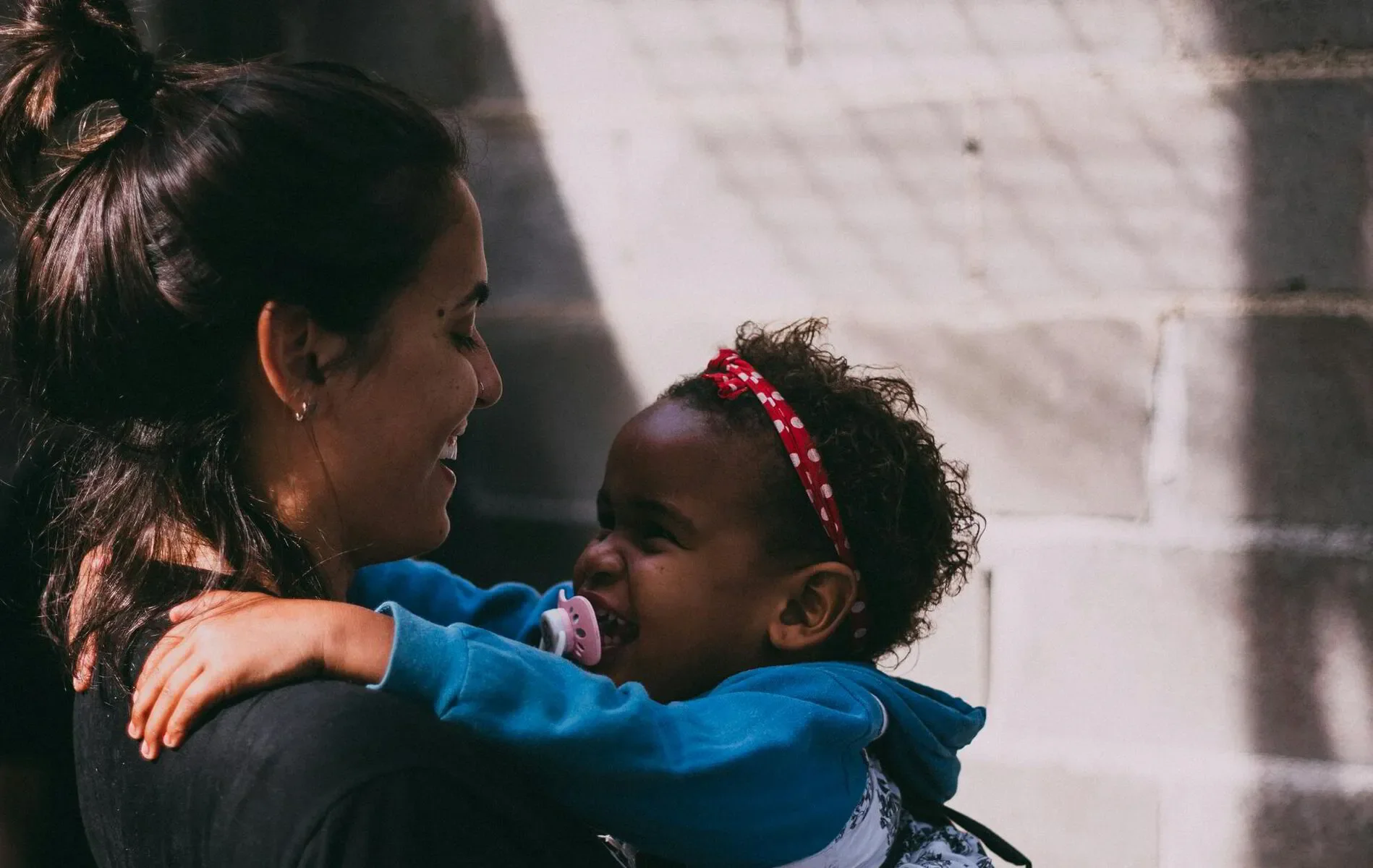
When parents entrust a daycare with their child, they expect more than pleasant playrooms or engaging activities, they expect rigorous safety standards at every turn. At The Childcare Collective, we believe safety isn’t optional: it’s foundational. Below are five essential protocols every quality daycare should have in place to protect young ones and give parents peace of mind.
1. Rigorous Staff Screening & Continuous Training
The first line of defense is always the people. Daycare centers must conduct thorough background checks, which includes criminal history, child abuse registry, and formal reference verification, on all staff members. But screening alone isn’t enough. Staff should receive consistent and up‑to‑date training in first aid, CPR, safe sleep practices, and recognizing signs of illness or abuse. Ongoing education ensures providers stay compliant with best practices.
2. Secure Access & Visitor Policies
One of the most straightforward, yet frequently neglected, protocols is secure entry. A daycare should employ locked doors during all operational hours, badge or coded entry systems, and a sign‑in system for all visitors. Staff should know who is authorized to pick up each child, photo IDs required. This reduces the risk of unauthorized access and ensures children are always under known supervision.
3. Health & Hygiene Standards
Germs spread fast among children. Cleanliness standards need to be thorough and meticulously applied—daily sanitization of toys, proper hand‑washing policies for staff and children, and isolation procedures for sick kids. Also important: snack and meal protocols that account for allergies, safe food storage, and avoiding cross‑contamination. These health protocols not only prevent common illnesses but also clearly show parents that their child’s wellness is taken seriously.
4. Emergency Planning, Drills, and Safety Equipment
Every daycare must have well‑documented emergency procedures for fires, natural disasters, intruders, or medical crises. Regular drills teach staff and children how to respond. Moreover, the facility must be equipped with functioning fire extinguishers, smoke detectors, first‑aid kits, AEDs where required, and clearly marked evacuation routes. These protocols go beyond regulatory compliance—they can save lives in an emergency.
5. Seasonal & Environmental Awareness, Including Weather Protocols
Safety doesn’t stop with what’s indoors. Providers need clear protocols for handling weather‑related risks. Even though it is getting colder, daycares should revisit and adapt their plans—insulating windows, checking heating systems, ensuring ideal indoor air quality. Additionally, review checklists like our Summer Safety Checklist, which remind caregivers of sun protection, hydration, and outdoor supervision. The same attention to seasonal hazards applies in winter: icy walkways, frost‑bite risks, and safe cold‑weather clothing must be part of regular safety planning.
Keep Your Kids and Staff Safe Year-Round!
When daycare centers commit to these five protocols—staff screening & training; secure access; rigorous health & hygiene; emergency readiness; and seasonal adaptation—they create environments where children thrive and parents trust. As seasons change and temperatures drop, safety needs shift but the commitment should remain unwavering. For more guidance on implementing comprehensive safety standards, you can explore resources at The Childcare Collective. Every child deserves a secure, nurturing, and attentive environment—and every protocol you establish moves you closer to that goal